Get High
The "12 Steps" to Mount Everest
You have taken everything there is to take. There is one high left on the list, it takes six seasons, and there is nobody on earth you can pay to do it for you.

We know you've gotten high...
We've all gotten high... some of us have gotten higher than others.
You've got to always go back in time if you want to move forward. If the ride is more fly, then you must buy. If you stop at general math, you're only going to make general math money.
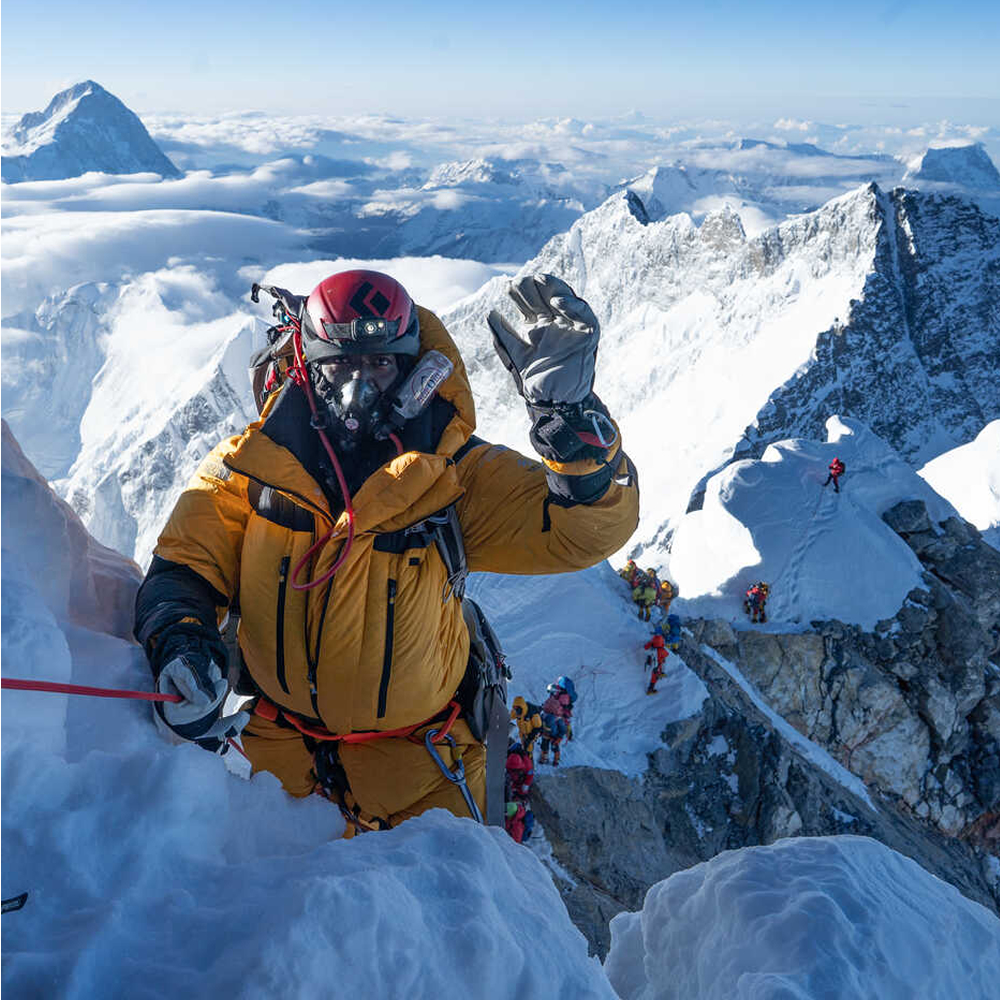
So the next one is 8,849 metres high.
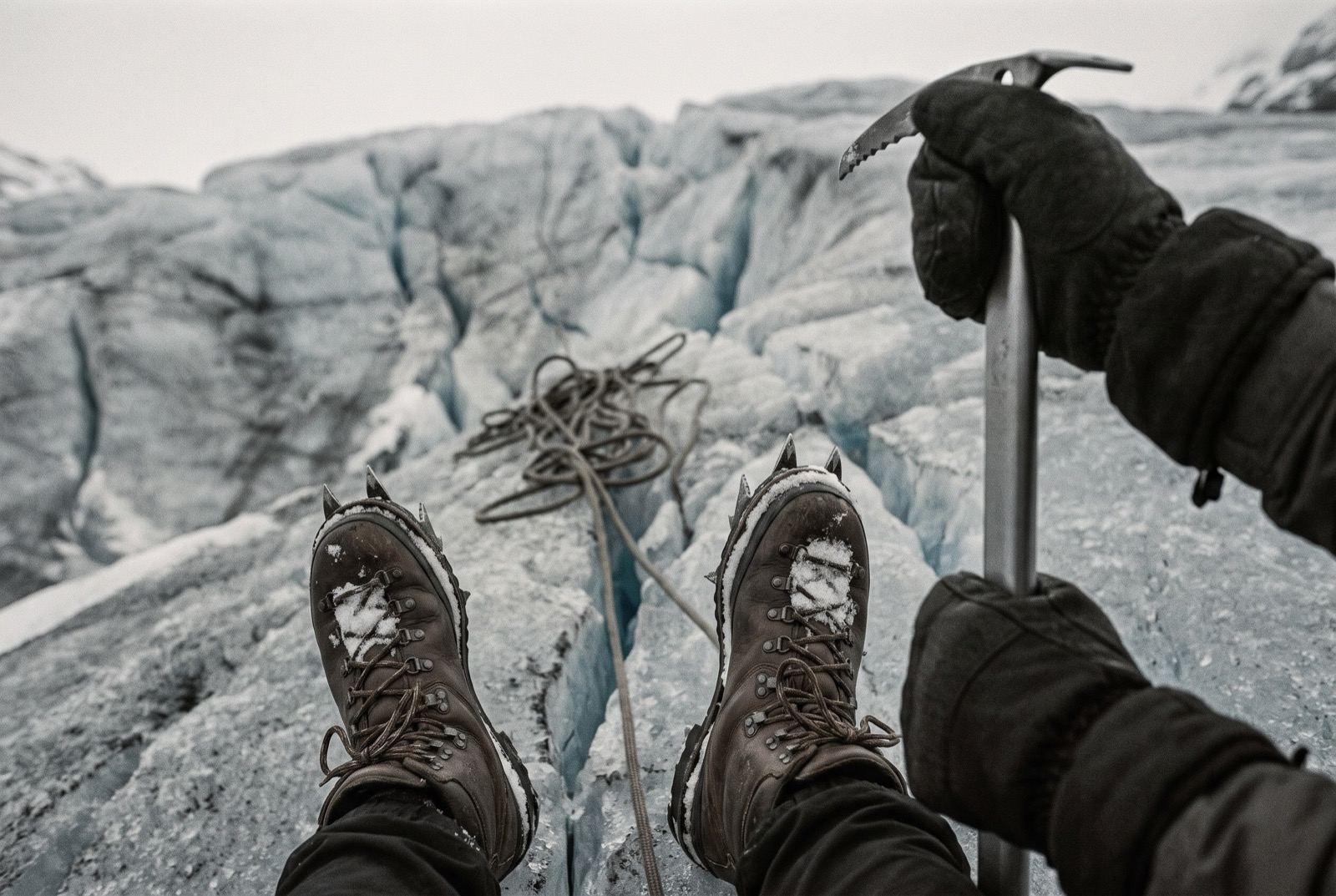
No speech. You have heard every pitch. After everything else you have done, this is the next line on the list. Of course it is.
The record that makes it the next line does not make the mountain kind. It has never heard of you and will not ask for your file. You are the kind of person this comes next for.
You've got everything. So what's your fucking problem?
- 01
“I’ll start Monday.”
Your assistant has moved that Monday four hundred times and never once told you no. Money buys another Monday, not a shorter wait. Acclimatisation cannot be crammed. Your blood takes the weeks it takes. Miss this winter in Nepal and you are not standing on Everest — you are saying this sentence again to the same person, who will move it again.
- 02
“I’m not that bad.”
You are right. You are not in a gutter. You are in a penthouse, and the gutter is the only ruler you have agreed to be measured with. You chose the ruler, so of course you pass. Nobody around you will say the word out loud, because you sign their cheques. So say it yourself, once, with nobody in the room. If it is not true, nothing happens.
- 03
“I’ve tried everything.”
You have tried everything that could be delivered to you. Six facilities with thread counts. A specialist flown in. A sober companion. A programme built to fit around the schedule. You have never once tried the thing that does not care whether you come. Everything you have tried had a comment card at the end. A mountain does not.
- 04
“Nobody understands what it’s like to be me.”
Correct. That is not your defence, it is your diagnosis. You built a life where no one is close enough to contradict you, and now you hold up the loneliness you engineered as proof you cannot be helped. Until the summit, somebody walks beside you who is not auditioning to stay. Nobody understands you. Somebody will be there anyway.
- 05
“I’m too busy.”
You are not busy. You are booked. Booked is a structure you paid to have built so that no hour is ever quiet enough for this thought to finish itself. Somebody else keeps your calendar and fills every gap before you reach it. That is what the twelve days of silence are for. You will find out you were never too busy. You were afraid of the room.
- 06
“I can stop whenever I want.”
Then stop. Not forever — thirty days, starting tonight. “Whenever” has never been tested. It may not exist. You already know what is about to happen: this month turns out to be unusual. It is always an unusual month. That is not bad luck. That is the thing talking in your own voice, using your own vocabulary, doing an impression of a decision.
- 07
“I’ve got too much to lose.”
You are losing it. Quietly, on a schedule, in a way that will look sudden to everyone but you. Every person who lost the lot said this sentence first, with exactly your confidence. Now count what a mountain can take off you. Not the houses. Not the company. Your time, and the story that you were protecting something. The rest was never on the table.
- 08
“Too many people depend on me.”
Thirty mortgages, and you hold them up like a shield. You know this at three in the morning: they do not depend on you. They depend on the version of you that turns up. Each month, that version is harder to find. You are not indispensable. You are unreplaced — so far. Unreplaced is not the same as needed. Time away tells you which one you are.
- 09
“I’ve earned this.”
You have earned a great deal. Nobody earns this. You are not rewarding yourself, you are dosing yourself. You reach for the same thing on your best day and on your worst. Rewards do not work like that. Medicine does. There is one reward left that nobody can deliver to the house. It sits at 8,849 metres and it is walked to. That is the kind you earn.
- 10
“I already blew it.”
You blew it on Tuesday. That is a fact, not a verdict, and you are the only person in the room working this hard to promote it. It feels like honesty. It is the cheapest excuse going. Nine days do not become zero because of one. You do not get to spend one failure as a licence for the next hundred. Start again this afternoon. Not Monday. This afternoon.
- 11
“Once things settle down.”
Things do not settle down. Things have never settled down. You have been saying this for eleven years and only the crisis in the middle of the sentence ever changes. You keep building the next thing, so the quiet never arrives. There is no quiet version of your life behind this one waiting to let you fix it. You do this in the noise or you do not do it.
- 12
“What if I fail anyway?”
Then you will have failed at something real, outdoors, in front of people who were standing there — instead of succeeding at this, which is what you are doing now, and doing brilliantly. You are not afraid of failing. You are afraid of trying where it shows. The mountain gives you an honest answer. Name one other thing in your life that still does.
One client. You. Until the summit.
Everybody who works for you works for somebody else on Thursday. We take one client at a time. Until you summit, there is a person who is yours and nobody else's. The twelve steps below are what that person is for.
$100,000a month
On a card, the same date every month. The person starts the week you decide. The mountain waits for a season either way.
The "12 Steps" to Mount Everest
Six seasons. Twelve real places, each one higher than the last. You can buy the permit, the guide, the bottled oxygen and the helicopter. Nobody has ever bought acclimatisation.
Step 011,400 m / 4,593 ftSeason One
12 Days of Silence
Sit down and shut up
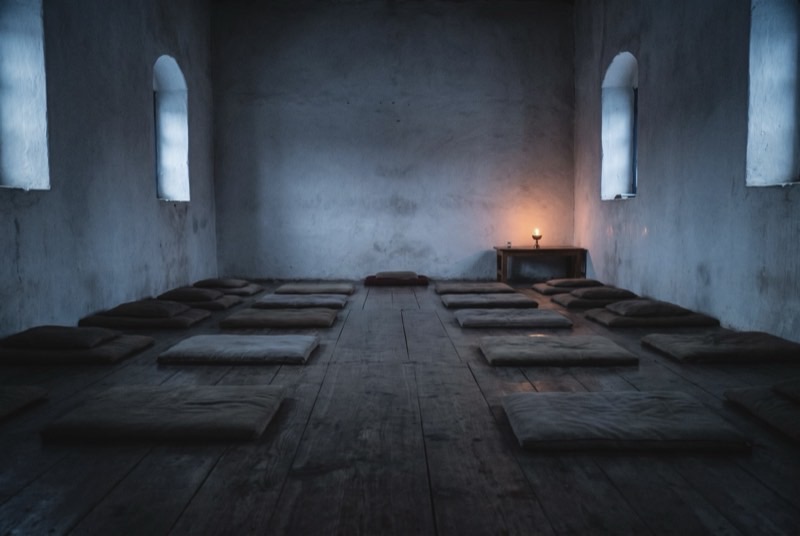
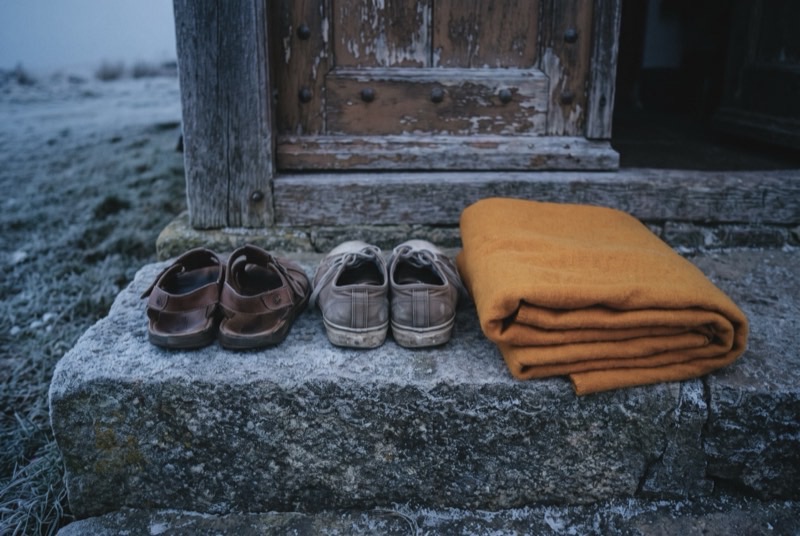
You have not been alone in ten years. Someone in the car, someone in the next room, someone on the payroll whose actual job is to agree with you. Twelve days: no phone, no assistant, nobody laughing. You will want out by the third morning. Everybody does. Most of them go. Do not go.
Step 024,130 m / 13,550 ftSeason Two
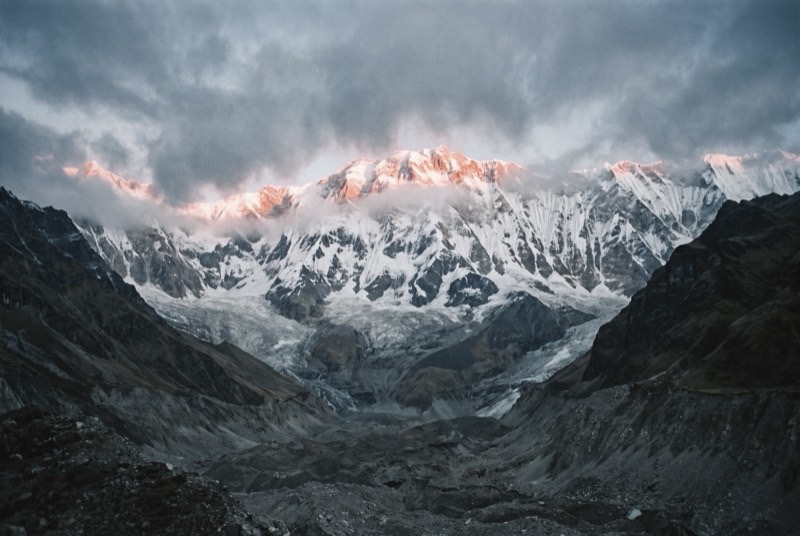
Annapurna Base Camp
Lose an argument you could have won
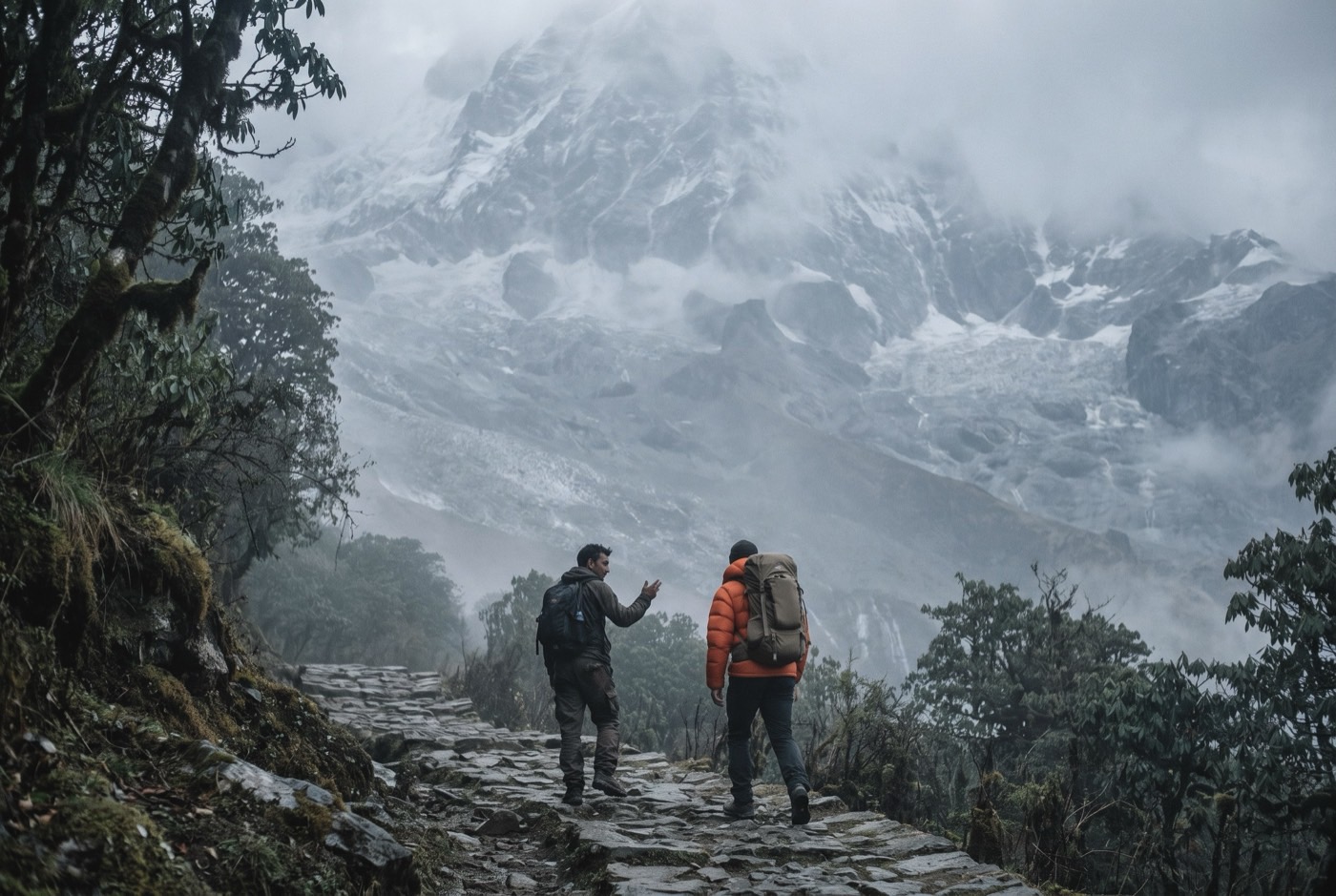
You have never been told no by somebody you were paying. On day four your guide stops at one in the afternoon, on a day you feel superb and could give him another four hours. You will argue. You will be wrong. Losing that argument is worth more than the entire trek.
Step 035,364 m / 17,598 ftSeason Two
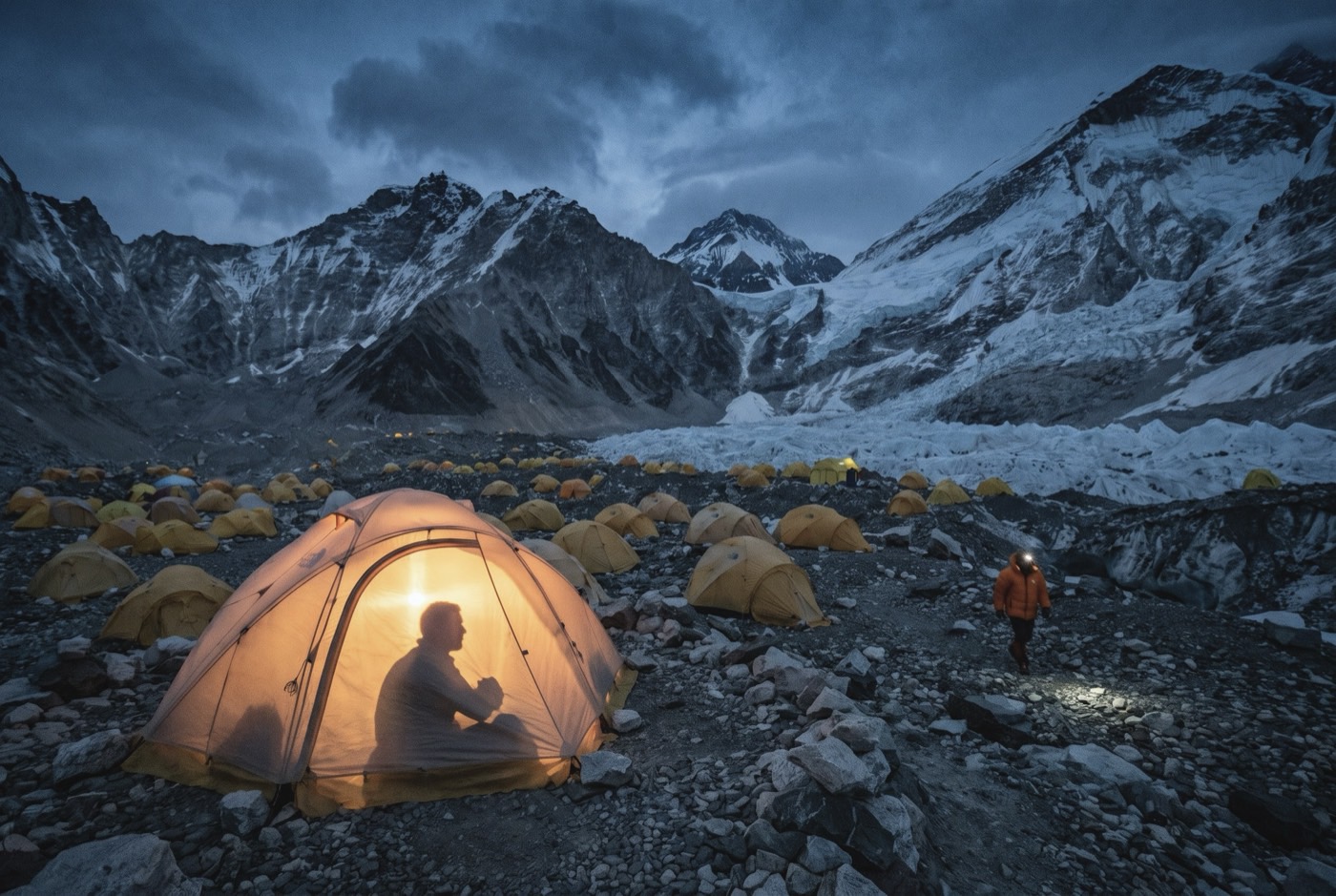
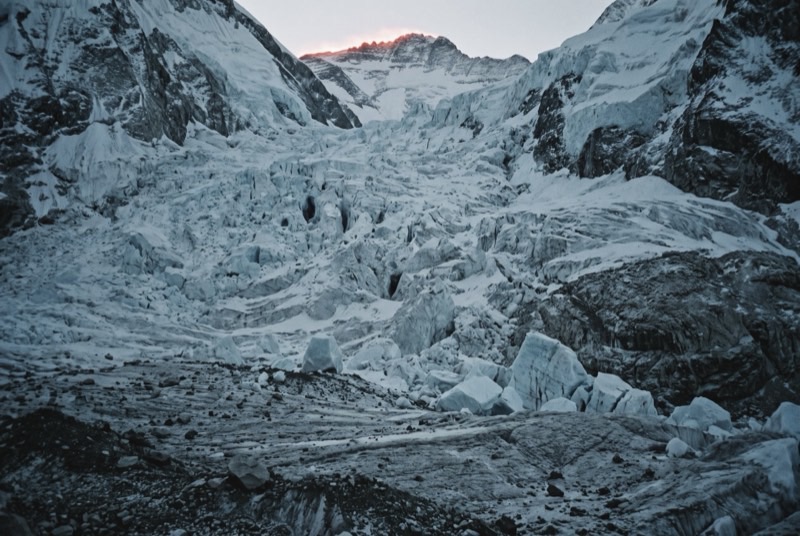
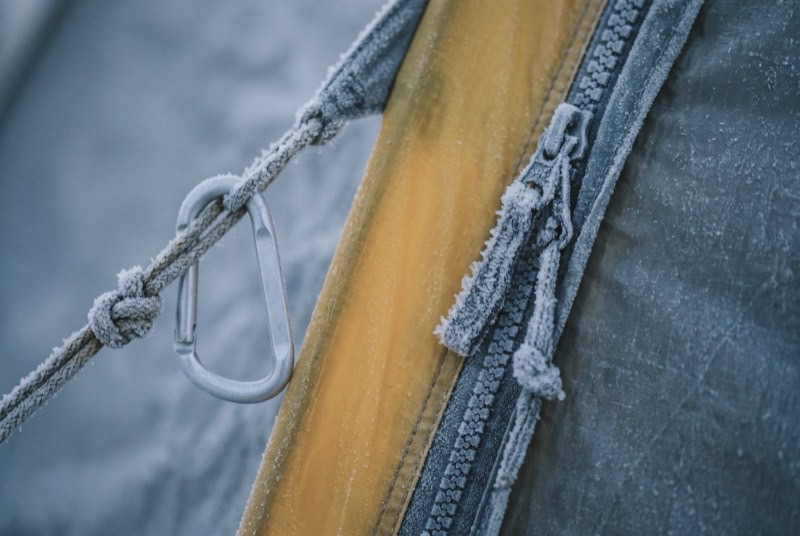
Everest Base Camp
Meet the man who has to climb the other nine
Two weeks above five thousand metres and you will stop being charming, because there is not enough oxygen to run it. Whatever is left when the charm goes is the person who has to climb the other nine. Go and meet him. Most people never do.
Step 045,520 m / 18,110 ftSeason Three
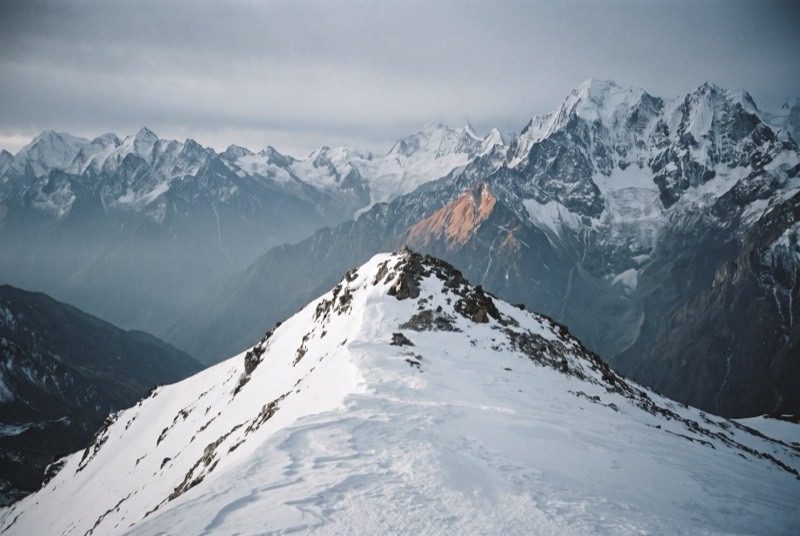
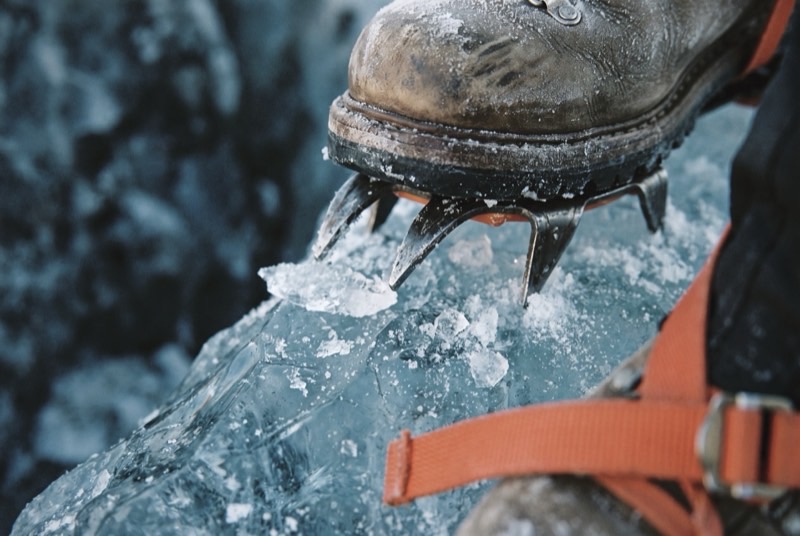
Yala Peak
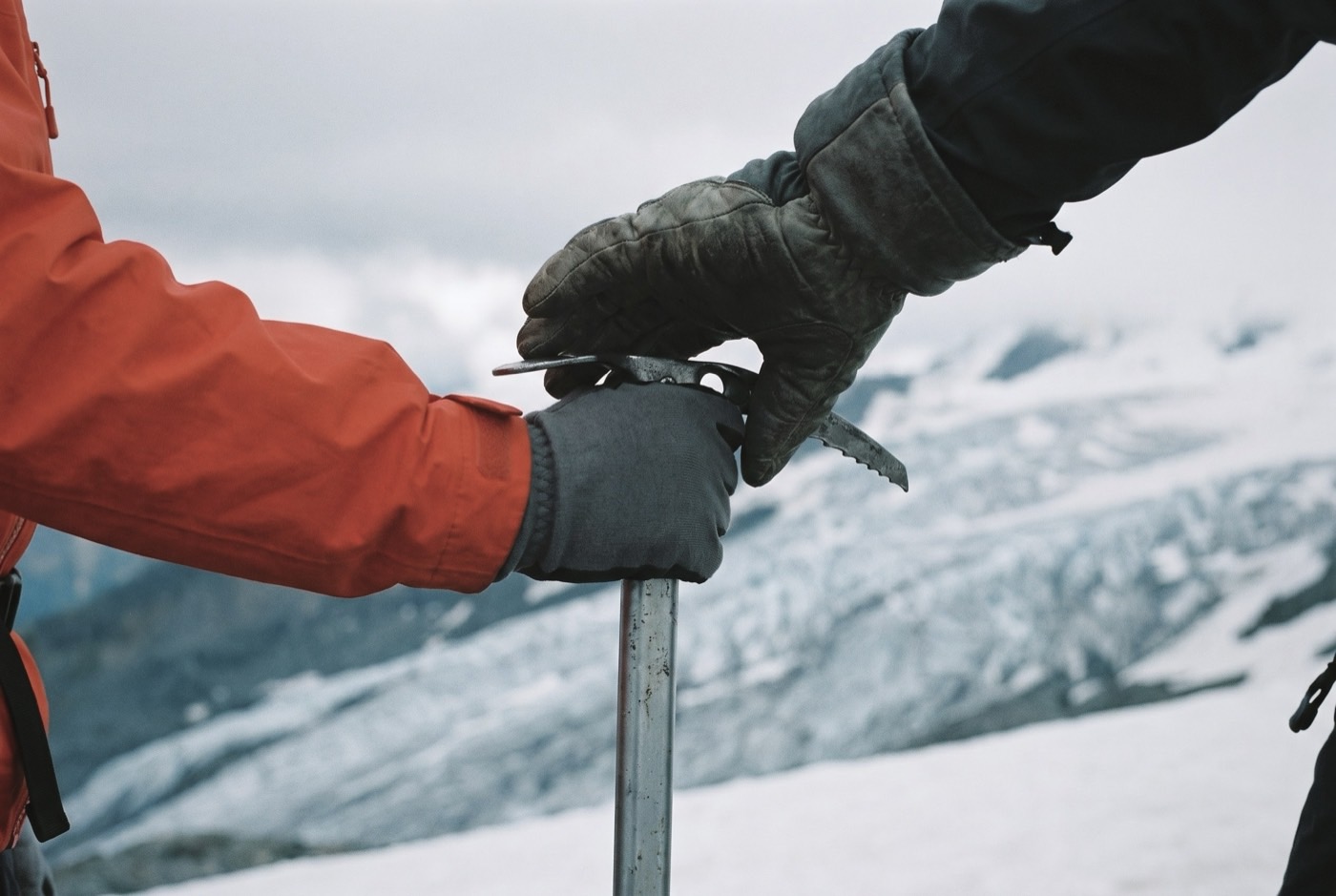
Be graded honestly and say thank you
Somebody is about to tell you your footwork is sloppy and your rope work would get you killed. He is thirty-four, he is unimpressed, and he does not know who you are. The only correct answer is thank you. If you cannot say it at 5,520 m you will not manage it at eight thousand, where it decides things.
Step 056,189 m / 20,305 ftSeason Three
Island Peak
Be terrified and go anyway
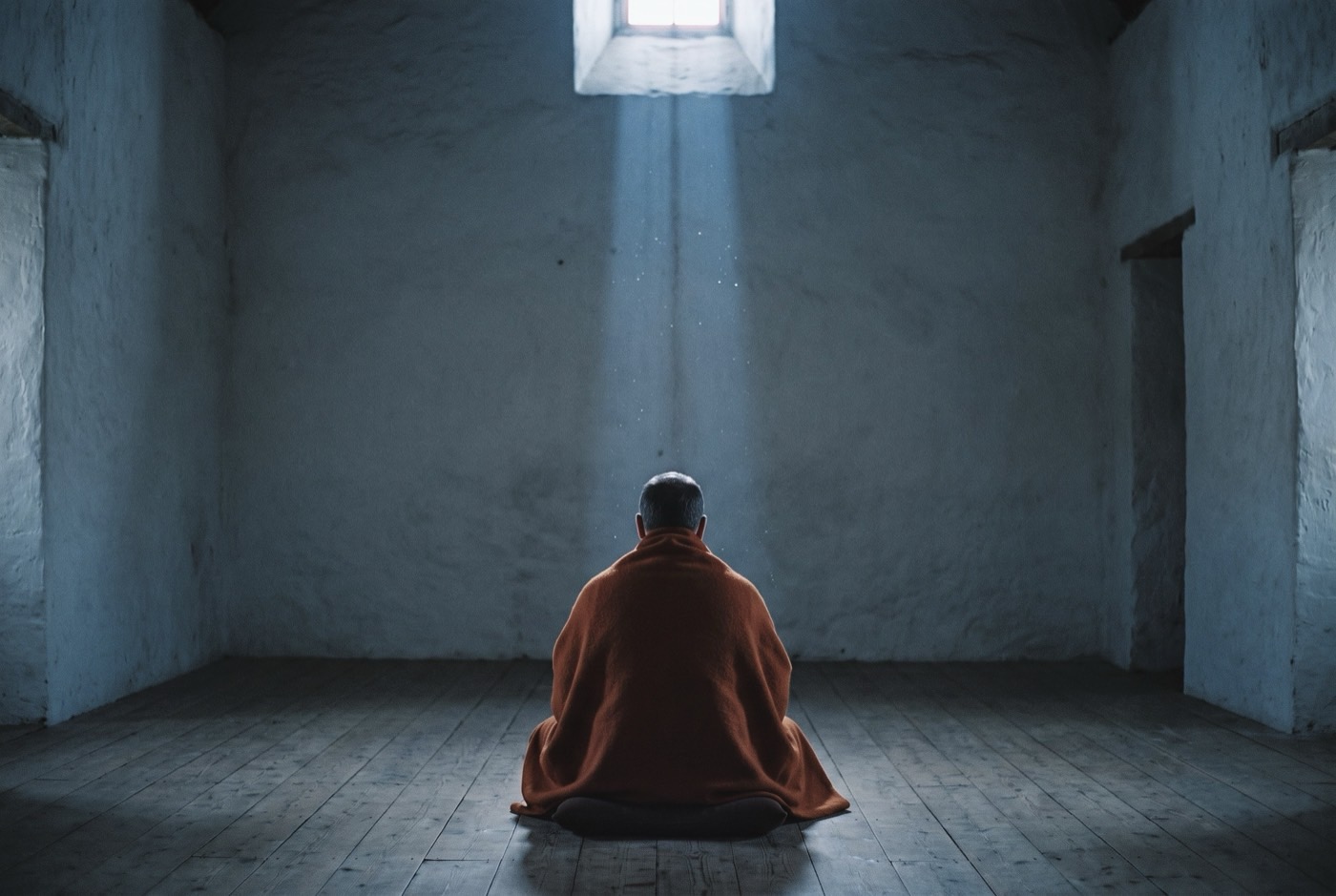
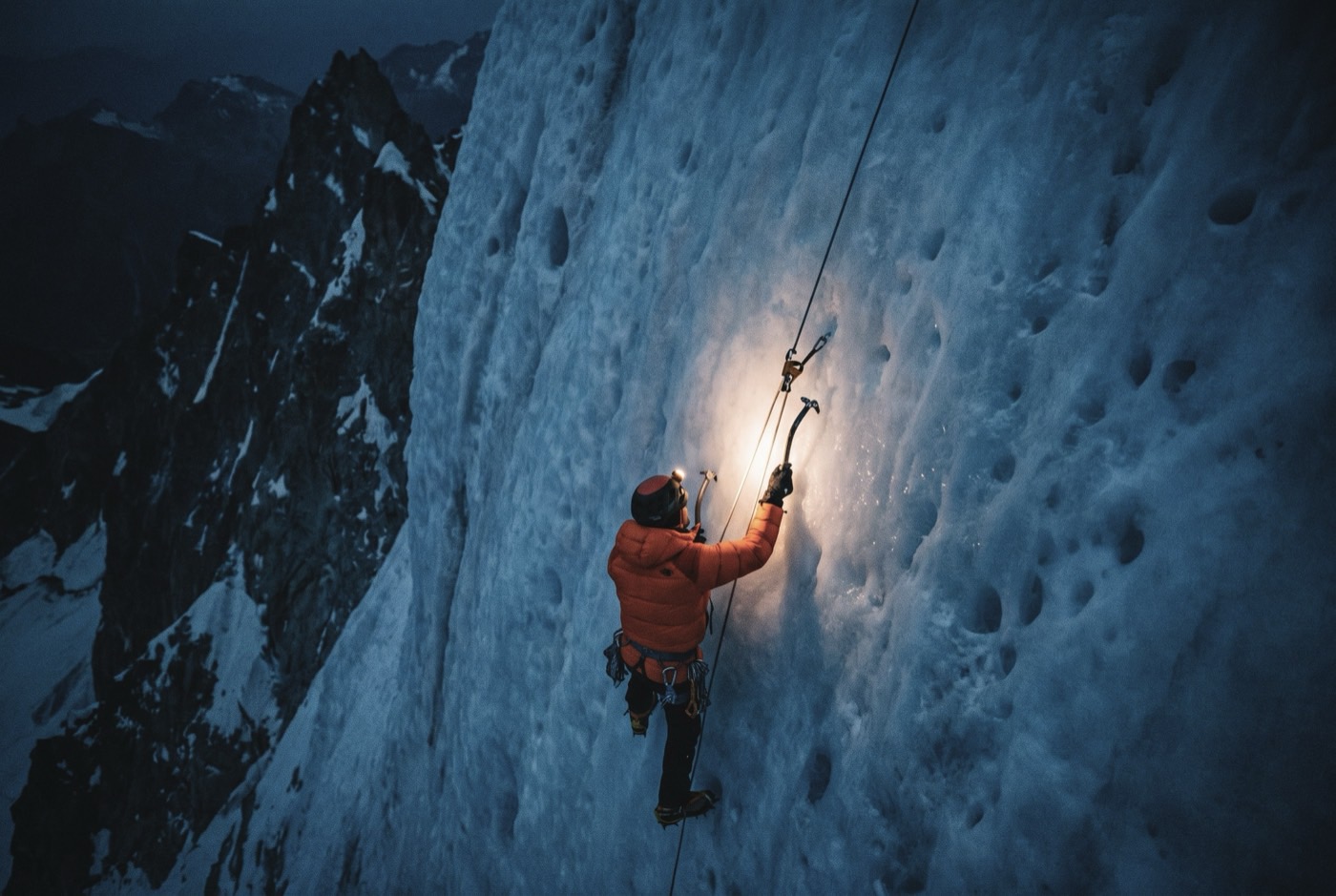
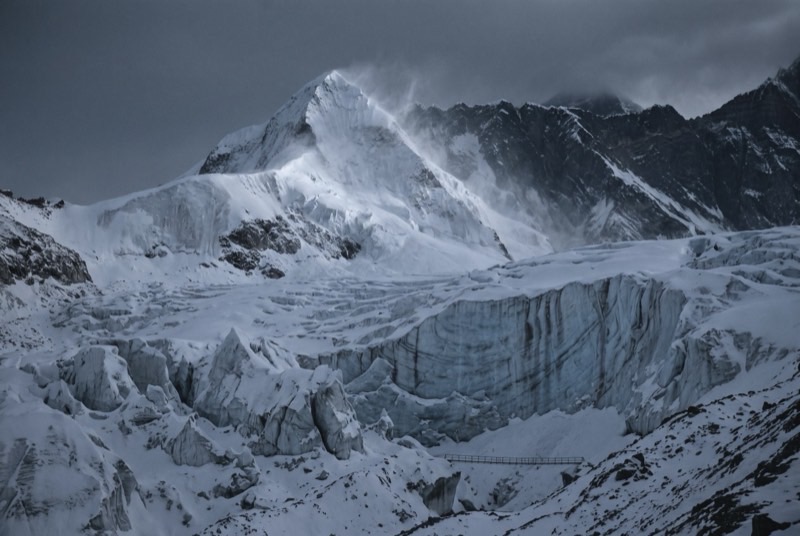
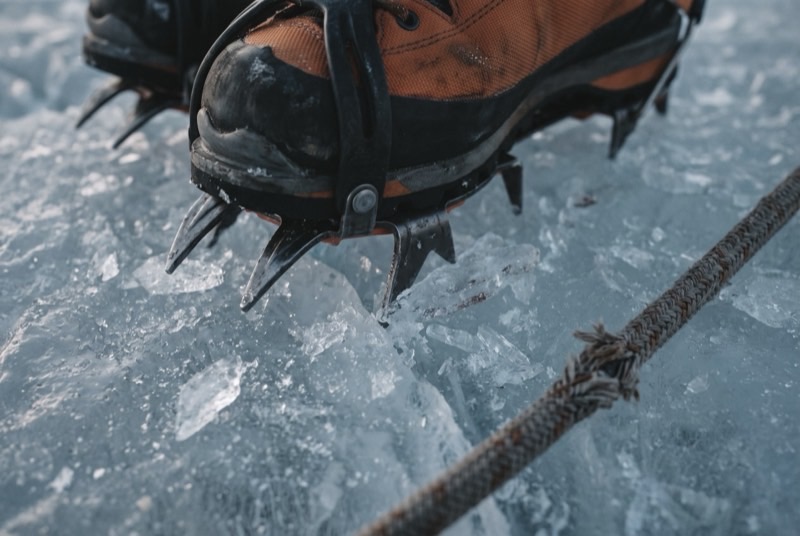
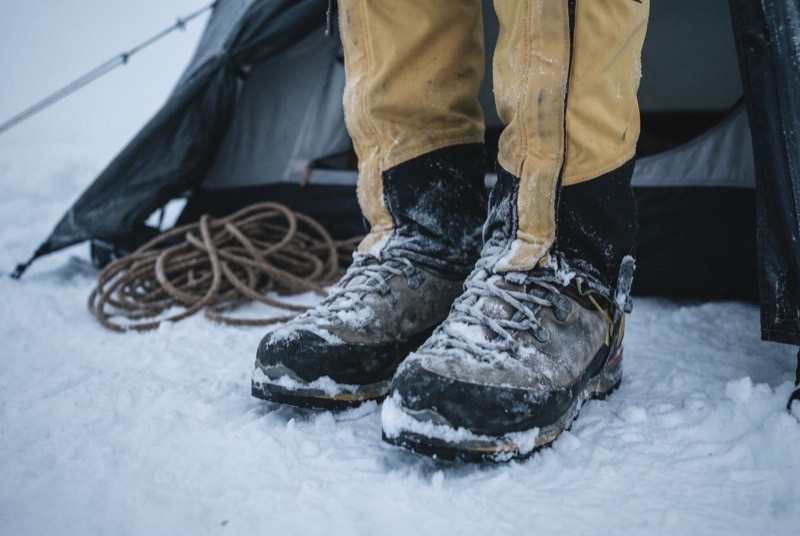
At four in the morning, halfway up a wall of ice, a ladder over a crevasse behind you and nothing whatsoever under your left boot, you will be more frightened than you have ever been sober. Then you will keep going. That is the first genuinely brave thing you will have done in years and there is no photograph of it.
Step 066,476 m / 21,247 ftSeason Three
Mera Peak
Look at what you have already done
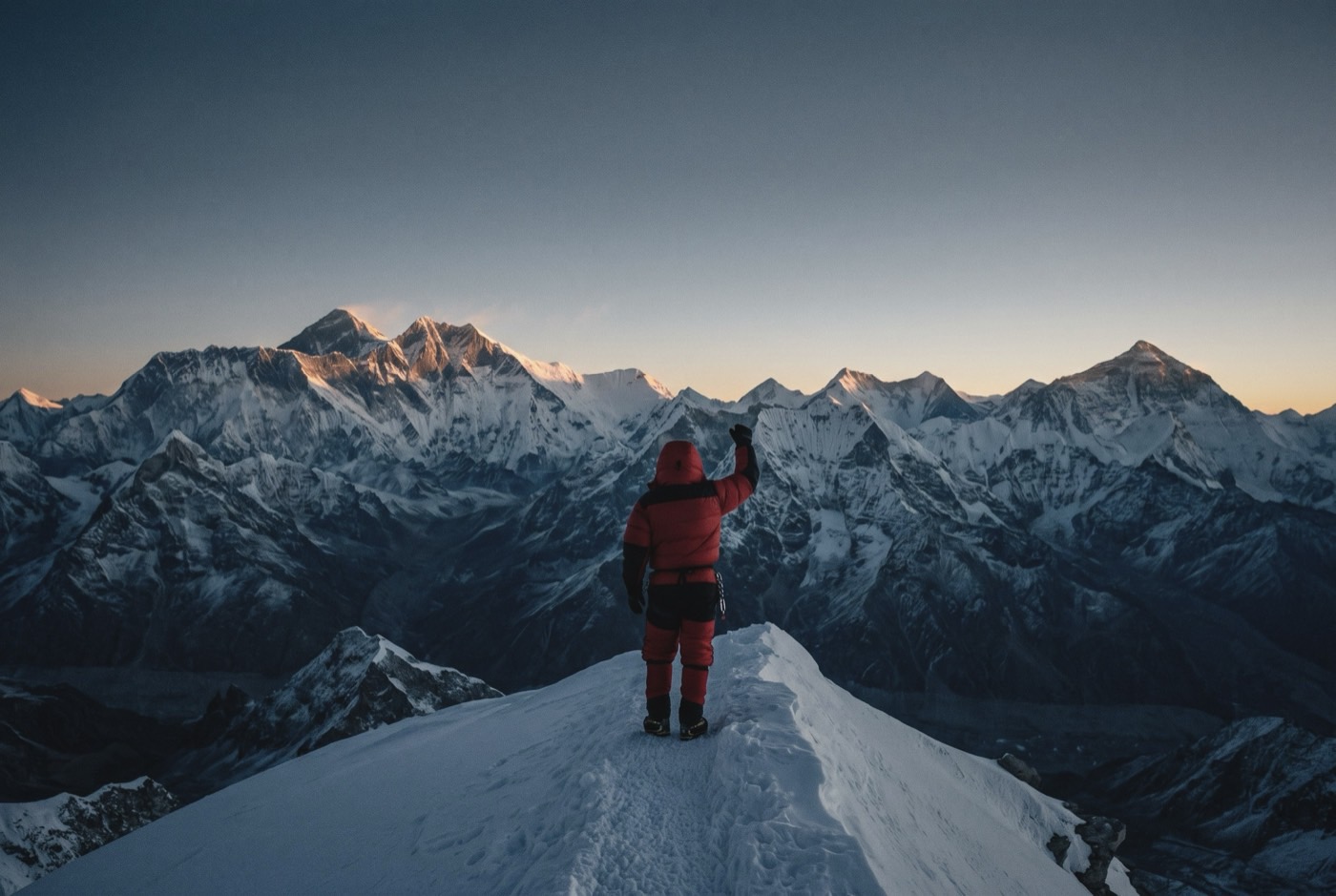
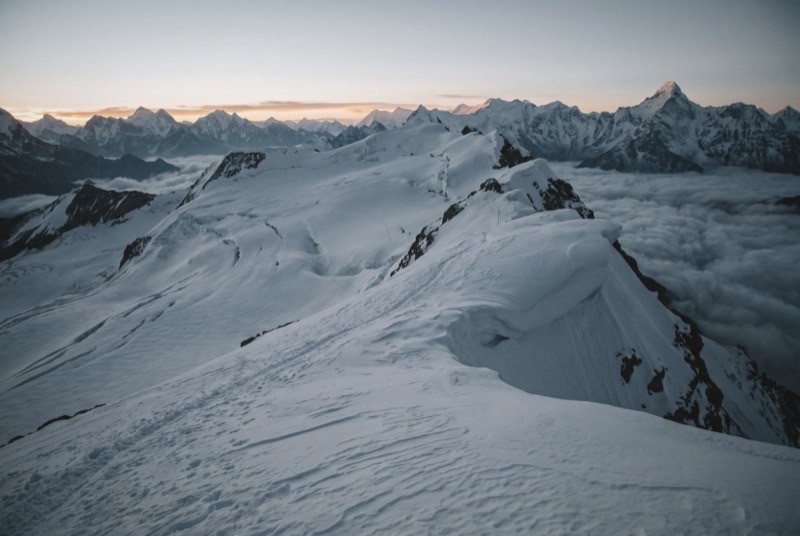
From the top: Everest, Lhotse, Makalu, Cho Oyu and Kangchenjunga on one horizon — five of the six highest mountains on earth in a single glance. There was a time you could not get up a flight of stairs without lying about why. Look at the horizon. Then look at what you did to get here.
Step 076,812 m / 22,349 ftSeason Four
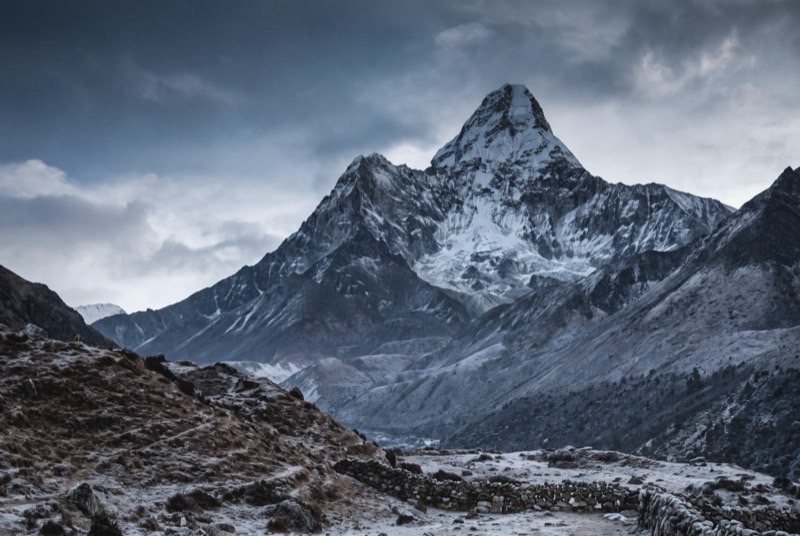
Ama Dablam
Go back and do the work you owe
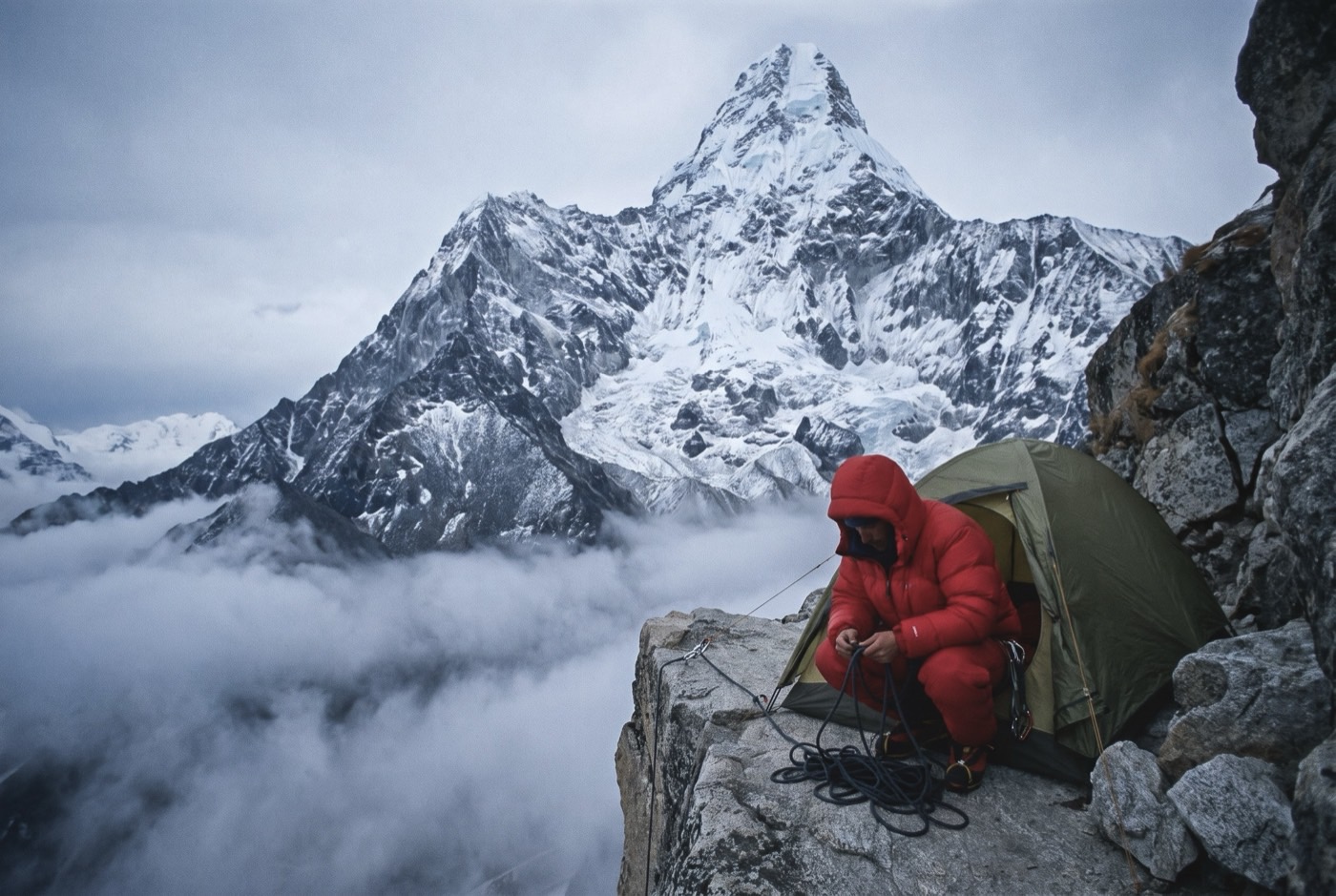
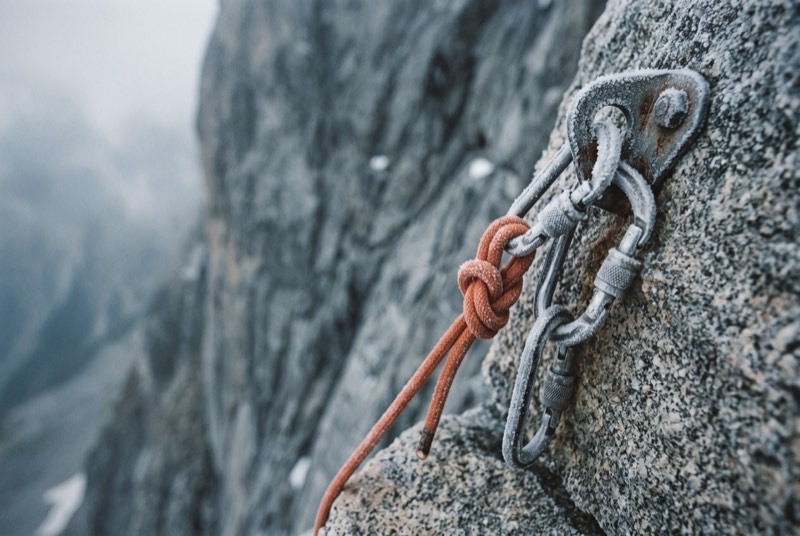
Enthusiasm got you six steps. Money got you the flights. Neither one gets you up the Yellow Tower, which is a rock pitch at six thousand metres in double boots with a thousand metres of air under the ledge you slept on. This is where the list stops being generous.
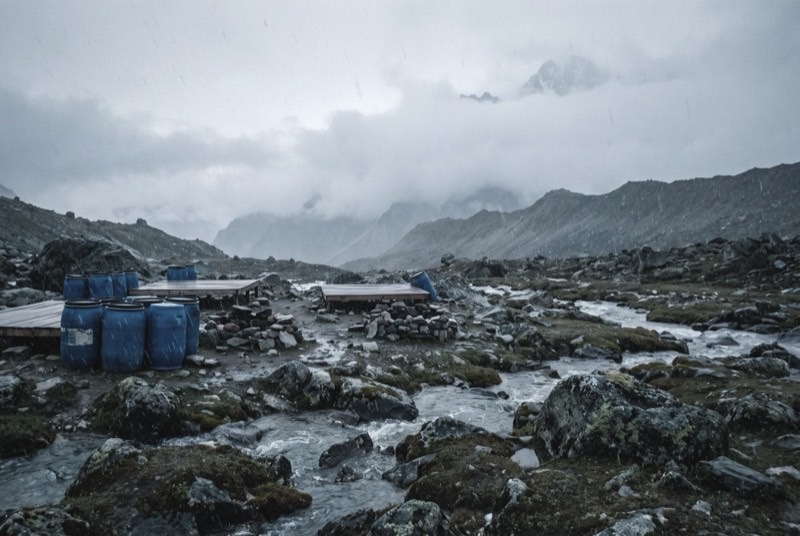

Step 087,126 m / 23,379 ftSeason Four
Himlung Himal
Tell the truth about your own condition
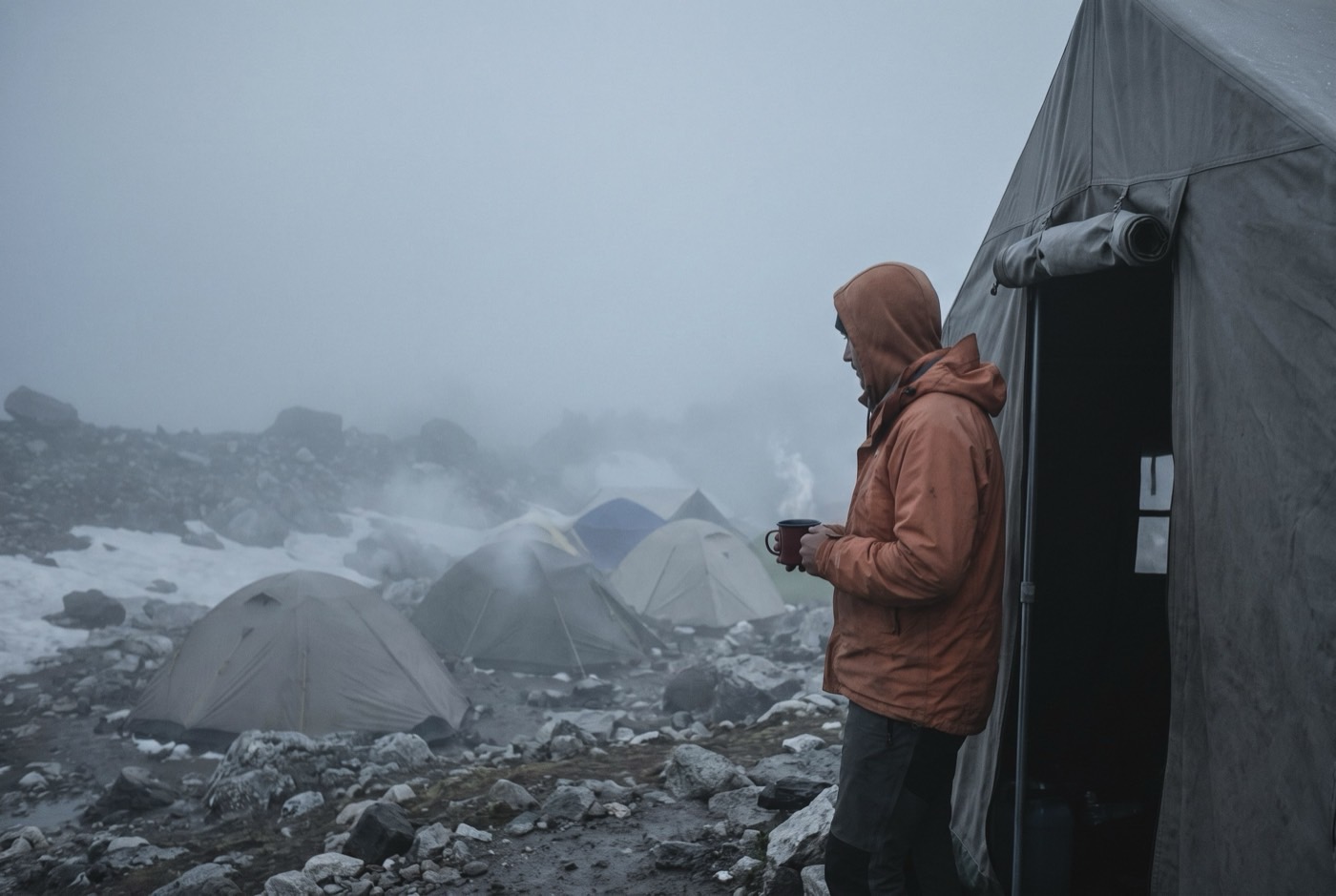
A month of rotations, load carries and sitting in a tent waiting on weather. There is no audience, no schedule you control, and nothing to do but report honestly on how you slept and what you ate. You have lied about both of those things every day for years. Up here it is how people die.
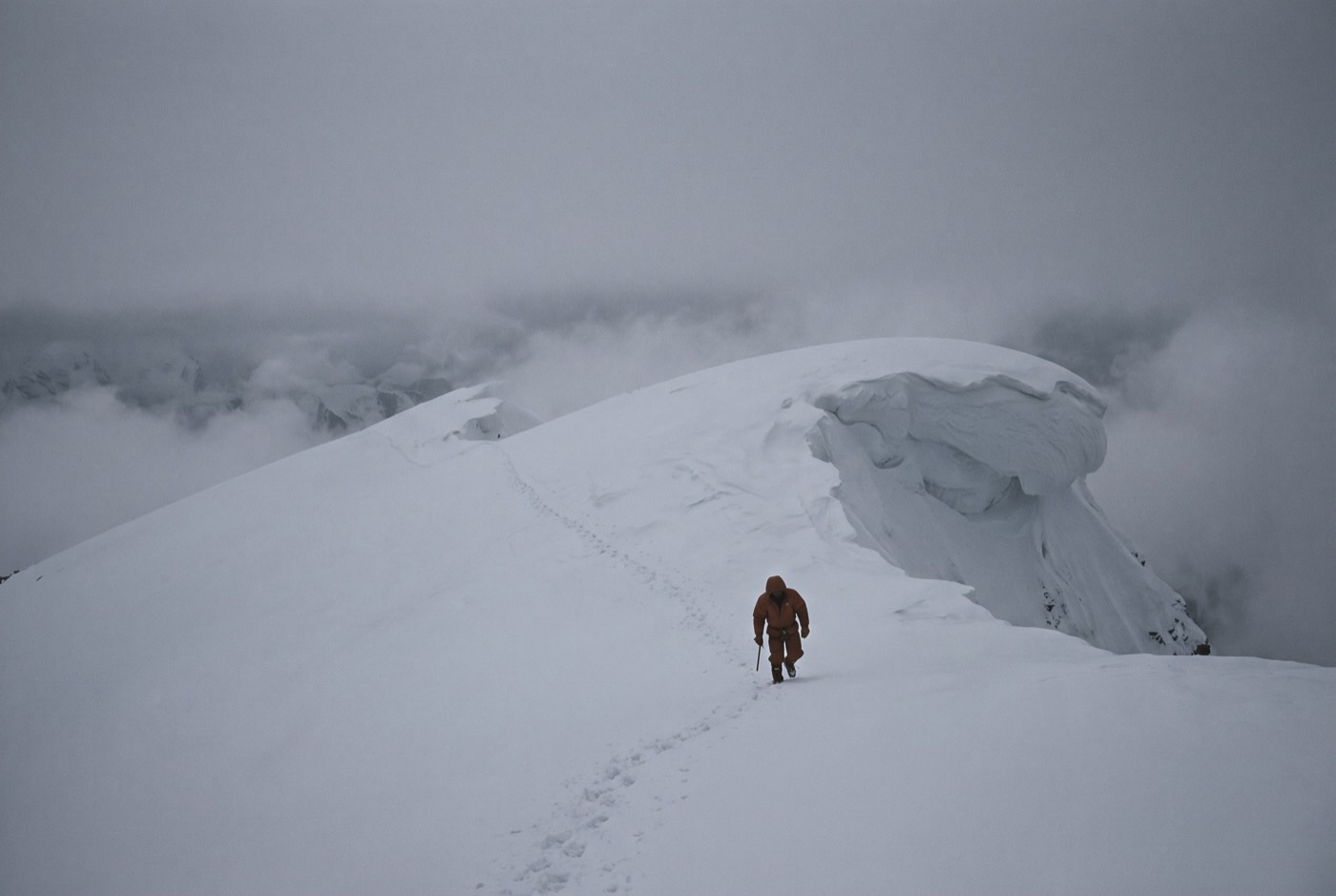
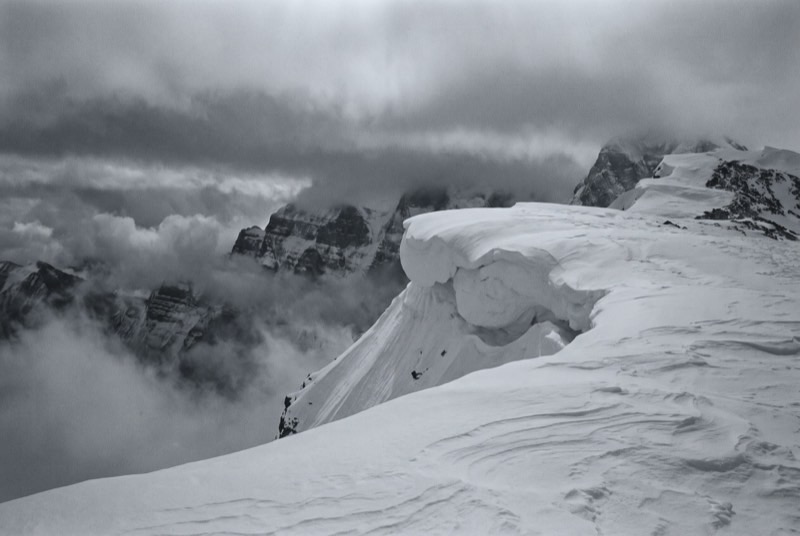
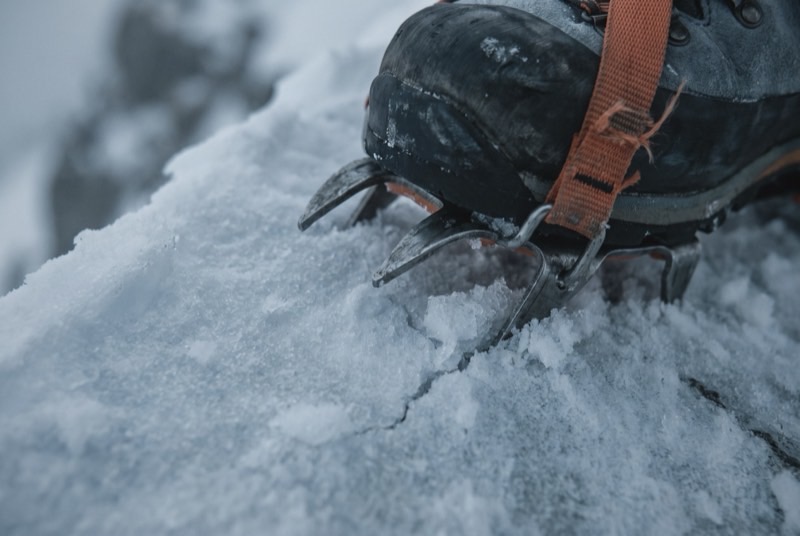
Step 097,129 m / 23,389 ftSeason Five
Baruntse
Do it again when nobody is impressed
Three metres higher than the last one. Nobody can tell the difference, nobody has heard of it, and telling people you climbed it gets you a polite nod and a change of subject. Climb it anyway. This is the step where you find out whether any of it was ever for you.
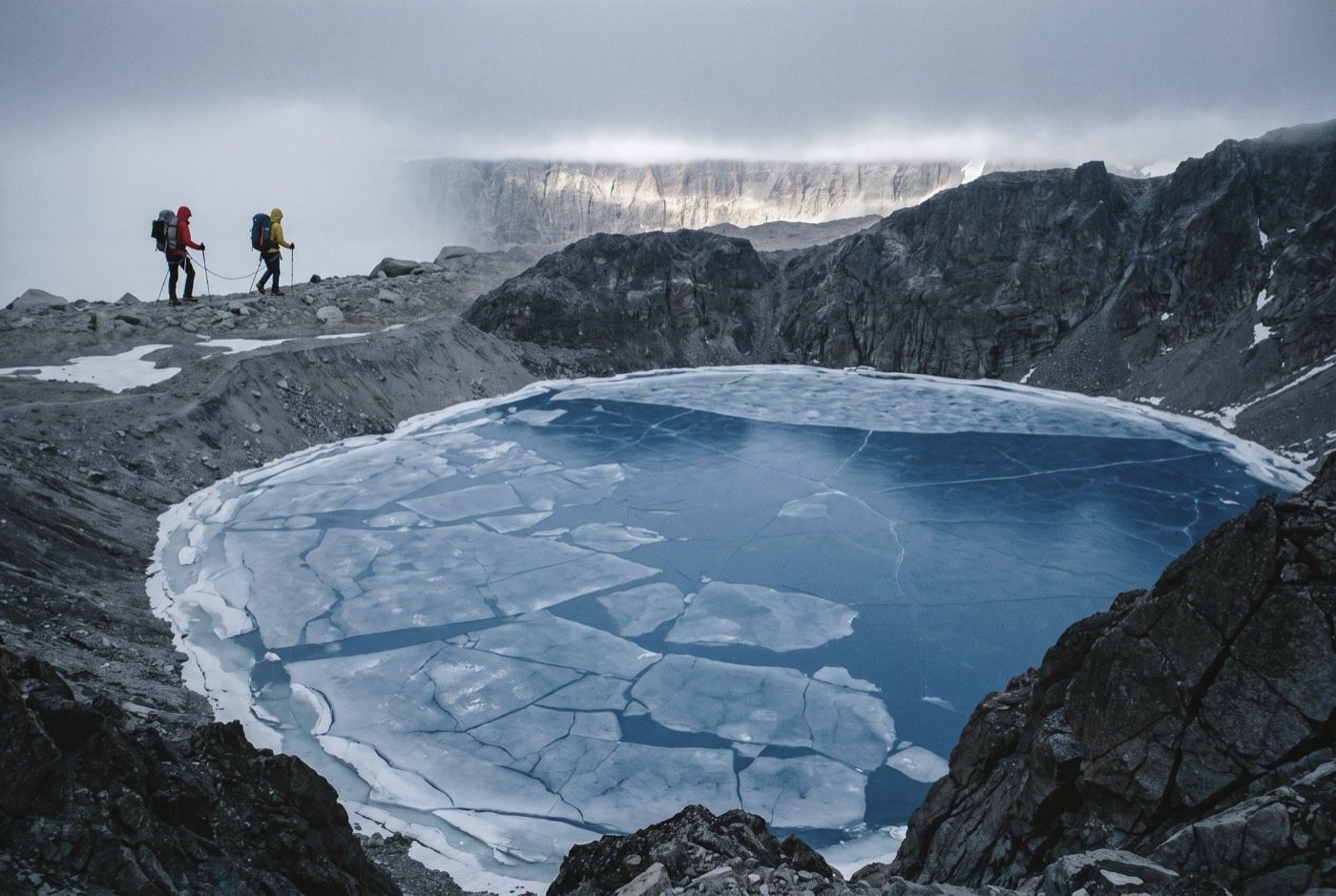
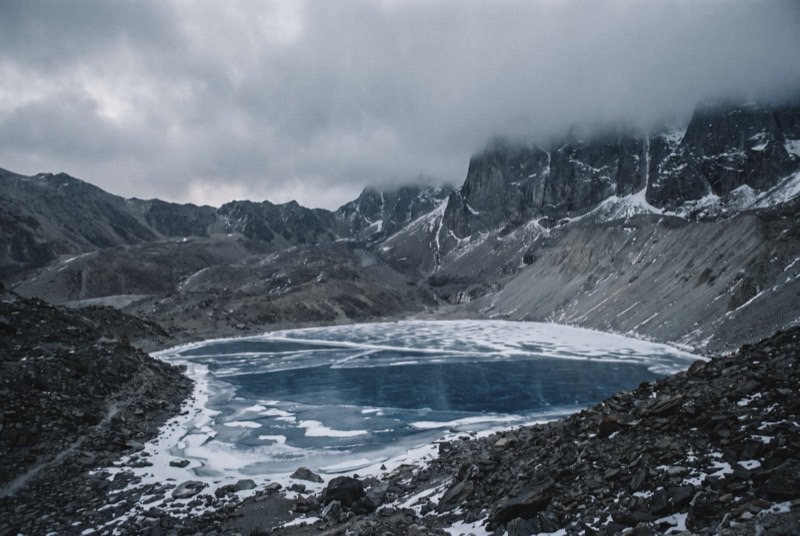
Step 107,134 m / 23,406 ftSeason Five
Tilicho Peak
Come back to where you started and go over the top
You walked into the Annapurnas at step two as a tourist who could not be told what time to stop. Eight steps later you come back to the same range and climb straight over the top of it. Stand at the lake and remember the man who argued with his guide.
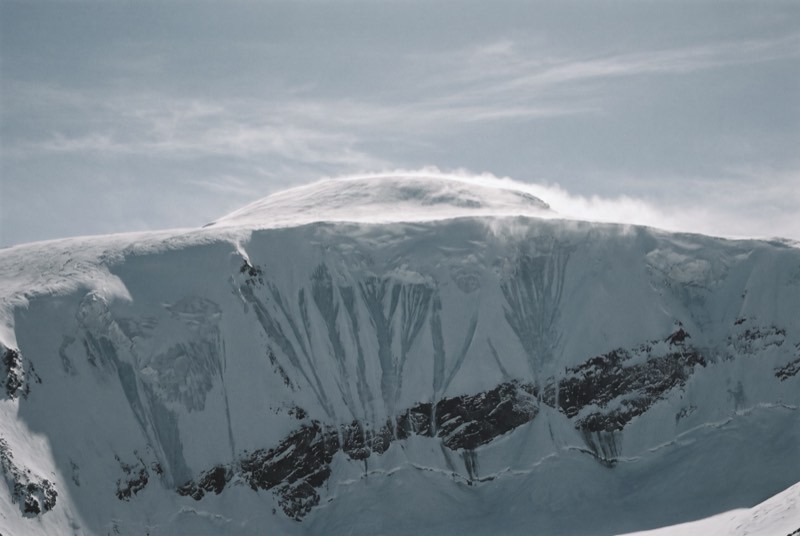
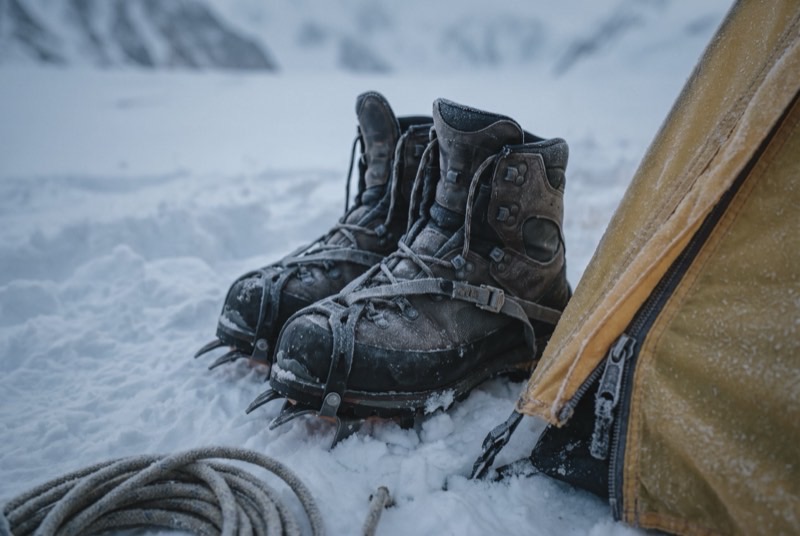
Step 118,188 m / 26,864 ftSeason Six
Cho Oyu
Spend the one thing you cannot replace
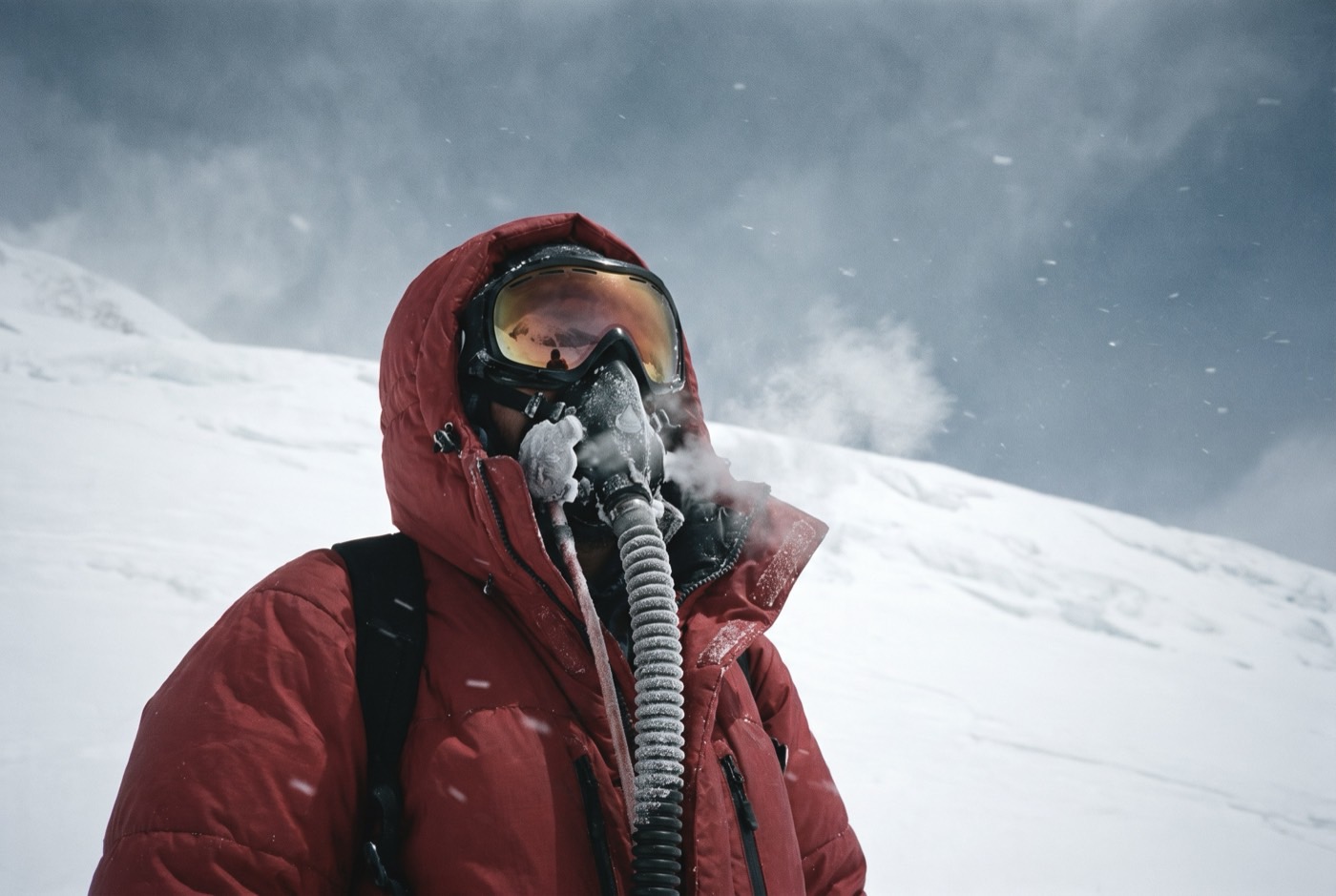
The sixth-highest mountain on earth and your first time in the death zone — an altitude at which your body is actively dying and the only available cure is to leave. You have been here before, chemically, for years. This time it is honest about what it is doing to you.
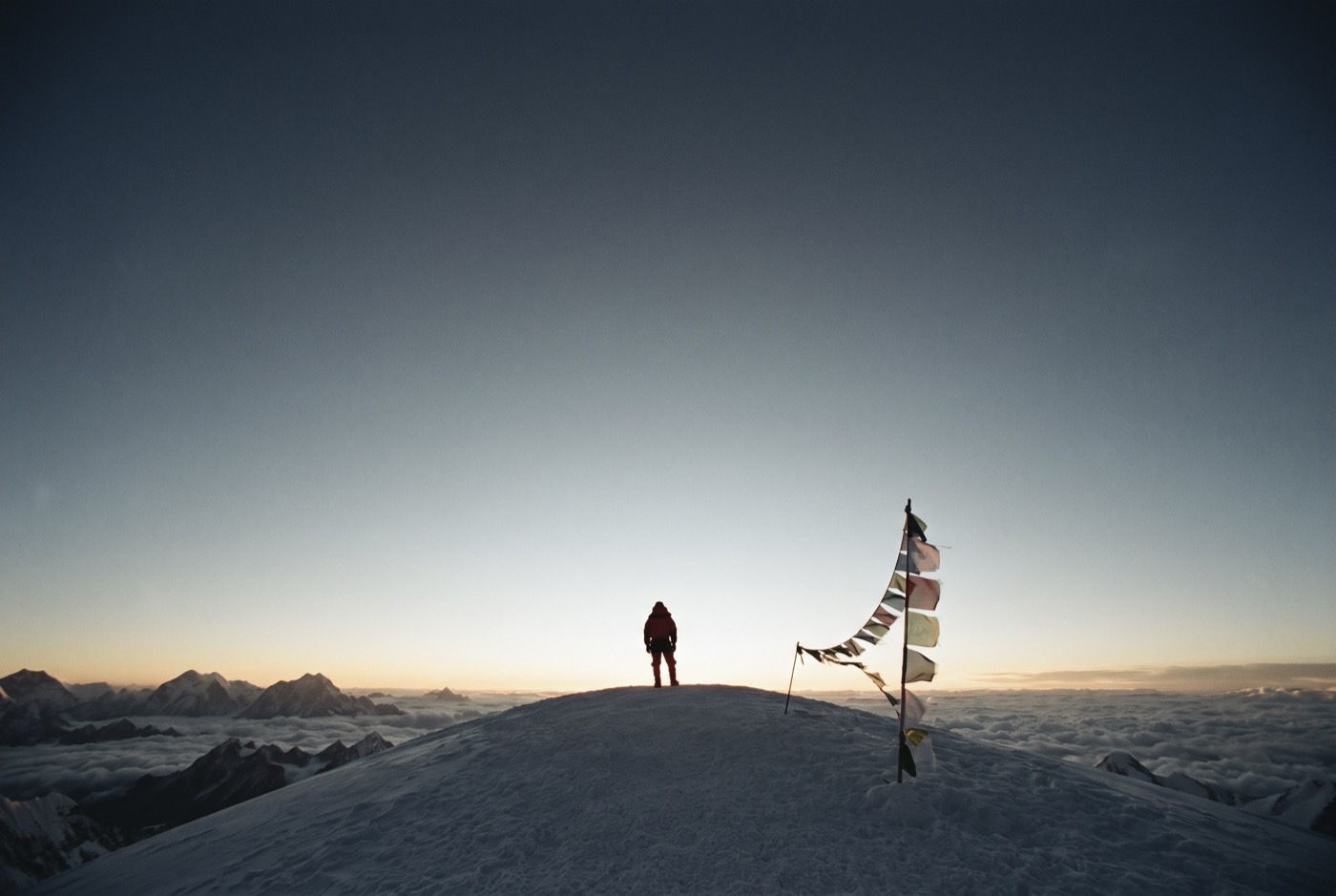
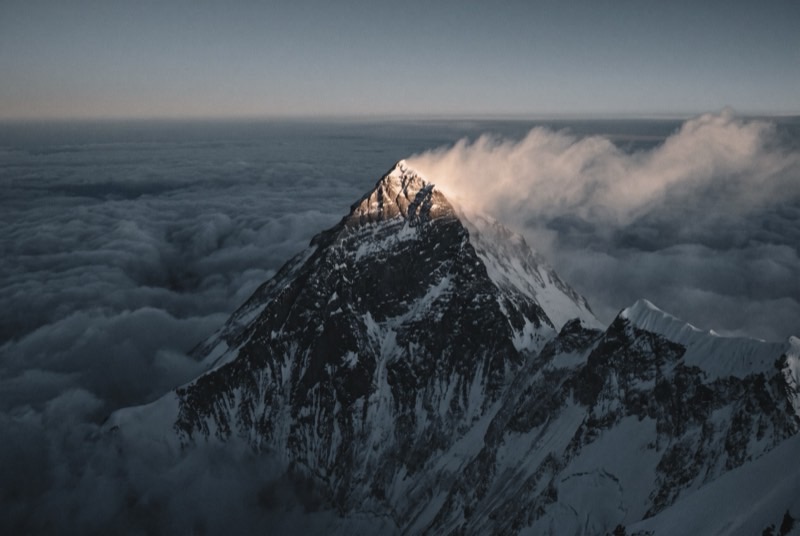
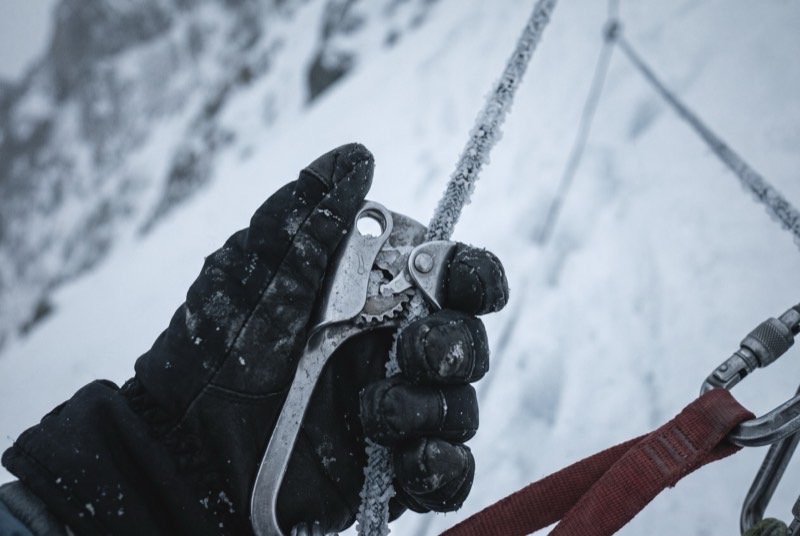
Step 128,849 m / 29,032 ftSeason Six
Mount Everest
Get down, go home, pick up the phone
There was a time you were the punchline in somebody else's monologue. Now there is a photograph of you at 8,849 metres that nobody bought, nobody arranged, and nobody can take off you. Then comes the only part that counts: getting down, going home, and answering the phone to somebody on day three of their twelve days.
Twelve places, drawn to one scale. The first stands a sixth as high as the last. Each figure is the step's objective, not the highest ground you touch getting to it — on step three you stand on Kala Patthar at 5,644 m on the way to a base camp that sits lower. You still have to take them in order.
Production schedule
Six seasons. 12 locations.
Read it the way you would read a shooting schedule, because that is what it is. 287–331 days on the ground in Nepal across six seasons, and each season gets only the weather window its own steps allow. Every window is the one the mountain gives you, not the one that suits the schedule — and there is no second unit, no stand-in, no weather cover and no reshoot. The window closes whether or not you were ready for it.
- Seasons
- 6
- Locations
- 12
- Days on the ground
- 287–331
- Window
- 304
- Reshoots
- 0
Season One
Sep
12 days. 30 days of window. 40%.
Locations
Season Two
Oct–Nov
22–26 days. 61 days of window. 43%.
Locations
Season Three
Apr–May
46–54 days. 61 days of window. 89%.
Locations
Season Four
Sep–Nov
54–62 days. 91 days of window. 68%.
Locations
Season Five
Oct–Nov
58–67 days. 61 days of window. 110%.
Locations
Season Six
Apr–May
95–110 days. 61 days of window. 180%.
Locations
Fits the windowMore days than the window has
Where all of this happens
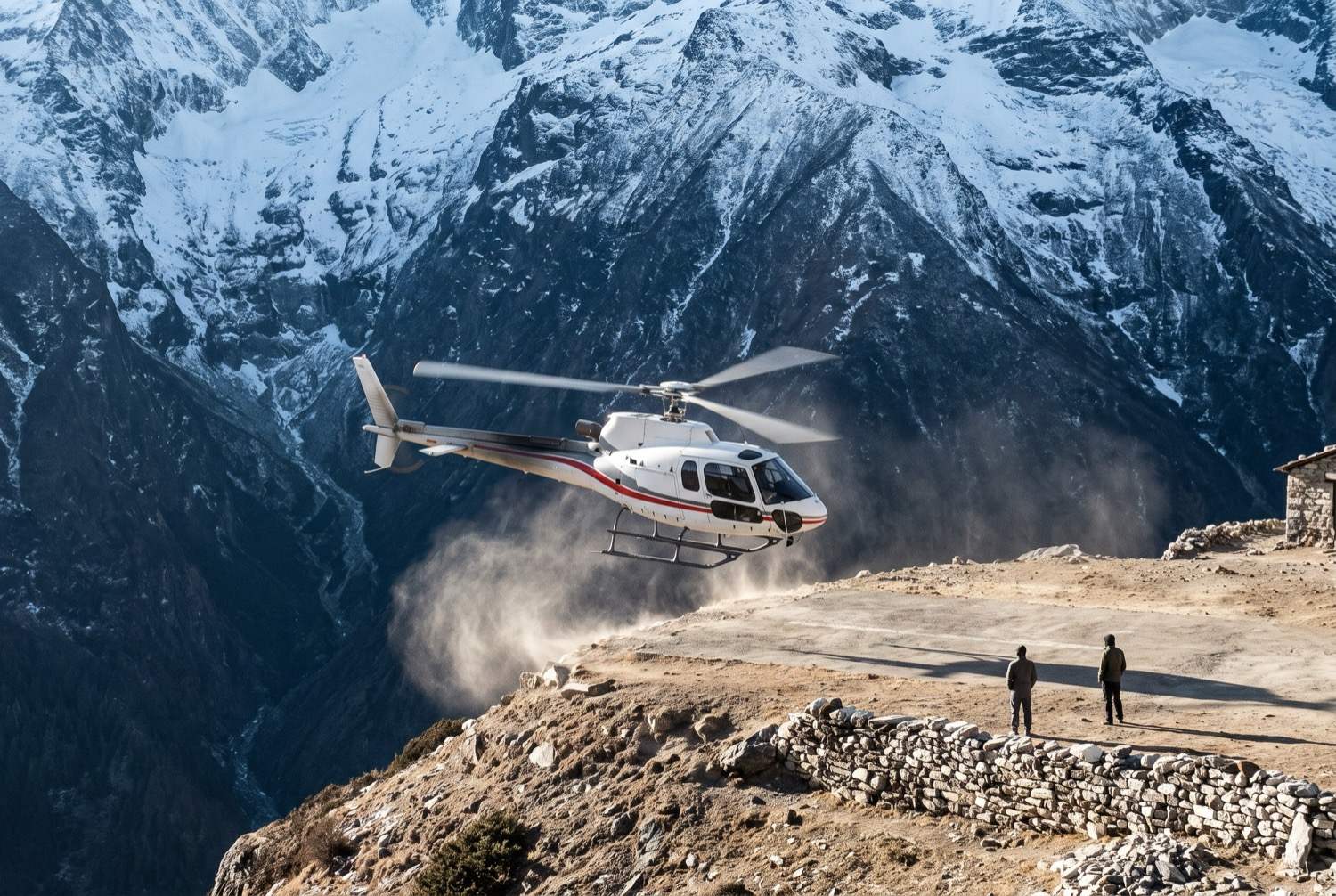
The route crosses the country four times before it lets you near Everest. The order is fixed, and none of it is a detour.
The attempt that doesn't finish
Weather shuts a window. A body refuses to acclimatise on the schedule somebody drew for it. A season ends with two steps still standing. None of that is unusual and none of it is failure — it is the ordinary arithmetic of altitude, and it happens to the strongest people on the hill.
You have presumably never built anything around a plan that only worked the first time. This one does not ask you to. The engagement is not a span of months, it is the summit — you go again, same ladder, same order, same intensity, from wherever it stopped, with the goals rebuilt around what the last attempt proved about you rather than what anyone guessed beforehand.
It continues at $100,000 a month, on the same terms, for as long as that takes.